 POPULAR
Bappa Is Coming
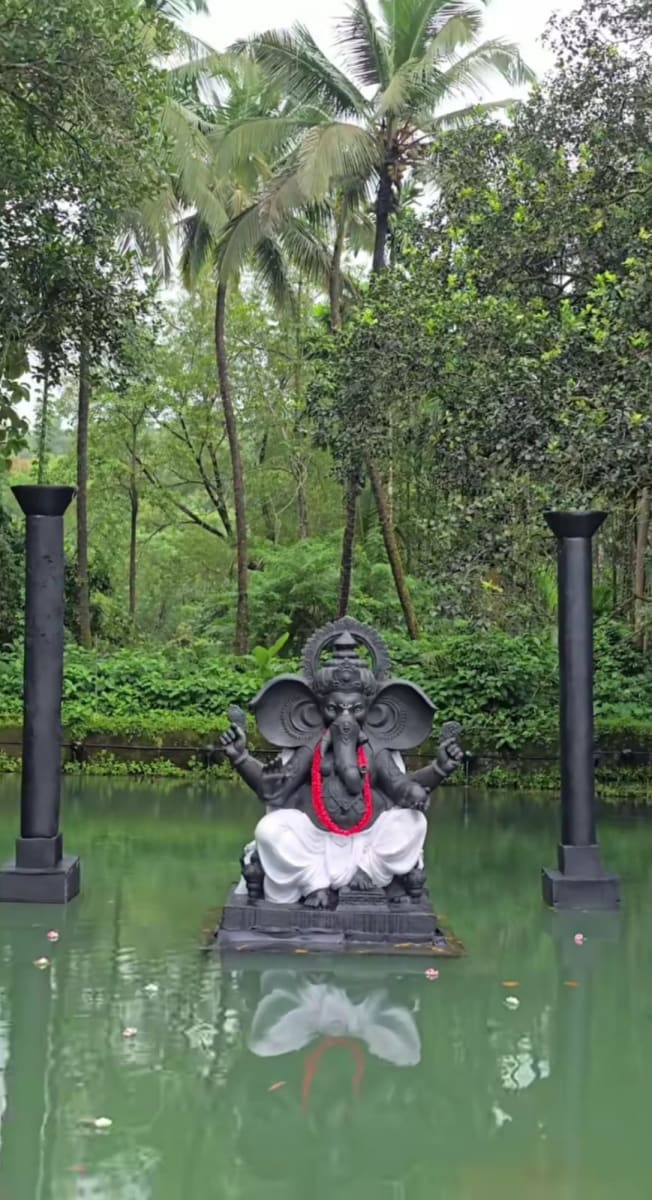
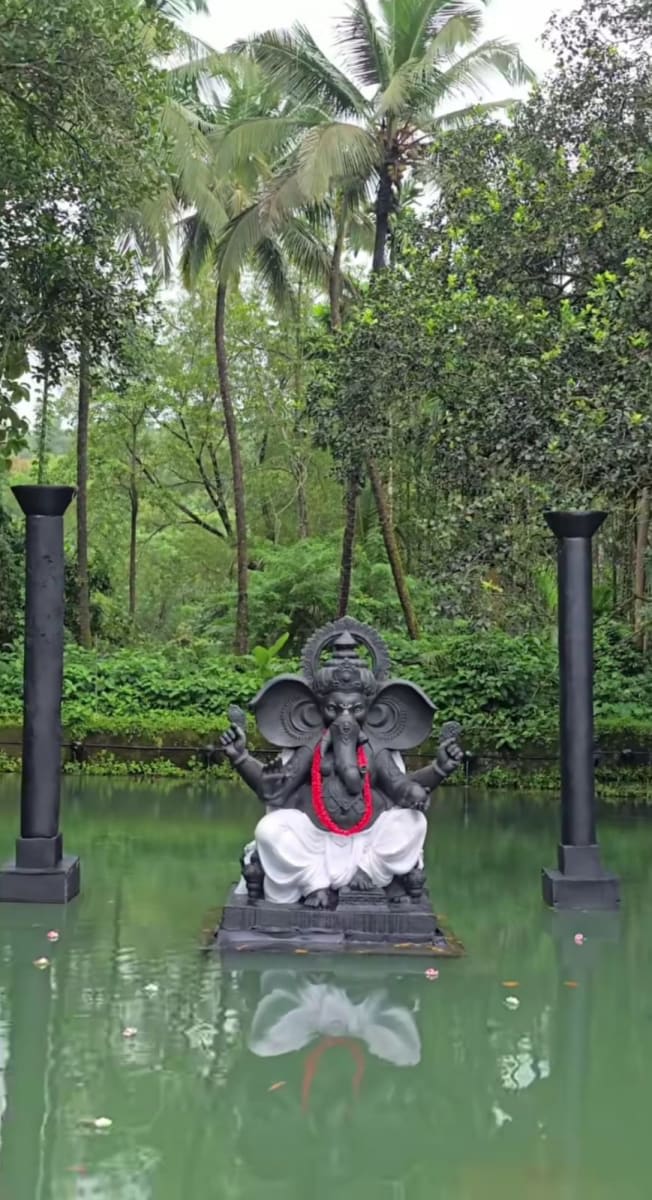
Ask a Goan child in the last week of the monsoon how many days are left and you will get an answer immediately. Not approximately. Exactly. They have been counting since the rain began to thin. Because Bappa is coming. That is the whole feeling, and it arrives in a house long before he does. It is in the way the floors get washed twice and left shining. In the smell of coconut and jaggery that starts up in the kitchen and does not stop for a week. In a grandmother taking down vessels she has not touched since last September and turning each one over in her hands, remembering. In a phone that keeps ringing with the same question in different voices — when are you reaching? There is a particular happiness in waiting for something you are completely certain of. This is that. The buses come in heavy. The trains come in fuller. Sons who live in Mumbai, daughters married into other villages, an uncle who has been in the Gulf for nine years and has not seen this house in three — they all begin to converge on one address, and the house feels them coming the way a room feels the sun move across it. Somebody arrives at eleven at night and is fed anyway. Somebody's children meet cousins they last saw as babies and are shy for exactly four minutes. A room that has been shut all year is opened, and the smell of it — old wood, old cupboard, rain — is the smell of being small again. Beds run out. Nobody minds. People sleep on the floor of the front room and wake up laughing at how badly they slept. By the morning Bappa is due, the house is louder than it has been in eleven months. That noise is the point. That noise is, in a real sense, the prayer. Then they go to bring him. He is made of soil. Earth from the ground here, shaped by hands that have shaped it for generations, carried back through the lane by someone walking carefully and grinning like a boy. People come to their doors to watch him pass. Somebody calls out. Somebody joins the walk. At the doorway the house is waiting with a lamp. Bappa is welcomed the way a person is welcomed — not slipped in, not installed, welcomed — and above the place where he will sit, a canopy of fruit and leaf from the hills is already hanging, because in Goa the land gets there first. Then he is set down, and the whole house exhales, and someone cries a little and pretends they haven't, and the first aarti begins. Ganpati Bappa Morya. Everyone. Loud. Off-key. The small children shouting it more than singing it. What follows is a stretch of days that Goans spend the rest of the year remembering. Mornings that begin with flowers and a bell. Afternoons with too many people in one kitchen and an argument about salt that is not really an argument. Cousins on the steps with tea. Old people who barely speak all year telling stories at length because there is finally an audience. Somebody's terrible singing at the evening aarti, defended fiercely by his mother, expected annually, quietly loved. And the food. Modak, steamed, warm, the sweetness sitting right in the centre. Nevri, folded and fried and vanishing off the plate before anyone counts. The naivedya offered first and always, then everything after it eaten in a heap of people who keep getting up to fetch more. If you are a guest here, your plate refills without your permission, and objecting is useless. At dusk the whole lane sings. Not together — a bell from one house, cymbals half a beat behind from the next, a woman's voice carrying a line somewhere out of sight and a dozen others catching it late. Doors stand open. Light lies across the doorsteps. You can walk that lane at seven in the evening and be handed sweets by three families who have never met you and will not let you leave without eating something. That is what blessing means here. Not a miracle. Not a wish granted. Just this: for a few days, a house is completely full, and everyone in it is glad to be there. Ask anyone what they pray for and they'll tell you something modest — health, the children doing well, the family being together like this next year too. Mog. That's it. That's the ask. If you are in Goa in these days Go inland. The coast will hardly notice any of this; the villages are where it lives. Homes are homes — don't walk in, and don't lift a camera at an idol or a family without asking, though many will say yes and mean it. Temple and community celebrations are open to everyone by design. Dress as you would for someone's living room. If you're offered food, eat it, and say dev borem korum on the way out — may God do good by you — which is what people here use instead of thank you, and which will earn you a smile every time. Chovoth falls in mid-September this year — the state's 2026 notification lists it on Monday the 14th, with the second day on the 15th. Confirm locally, since the dates follow the moon and every family keeps its own count of days. And then, on the last morning, Bappa goes. They carry him down to the water — a well, a pond, the river at the end of the fields — and everyone walks with him, and it is loud again, and somewhere in that noise there is something breaking a little. He goes into the water and the earth he was made of loosens and returns to being earth. Pudhchya varshi lavkar ya. Come back soon, next year. The walk home is the quietest walk of the year. By evening the bags are packed. The bus goes at six. Somebody stands at the gate longer than necessary. The house that held twenty people is suddenly a house with two people in it, and there is a plate of leftover modak nobody wants to be the one to finish. But here is the thing about that emptiness. It is not sad, exactly. It is the shape left behind by something very good — and it holds, all year, until the rain begins to thin again and a child somewhere in Goa starts counting. That is the joy people carry. It is not in the festival. It is in the waiting for it, and in the telling of it afterward, and in knowing — with complete certainty — that Bappa is coming.